Sobrasada for the trip home, cheese for dinner, fish cooked to order at lunch. The Olivar market in Palma offers all three in one morning. Arrive late, though, and the choice has thinned out.
Here is what to buy and when to go.
Join our Palma Old Town & Market Walking Tour: a guided walk through the old town and the market, with tastings of Mallorcan wine, ham and cheese.
Olivar Market Palma sits right by Plaça d’Espanya
The Mercat de l’Olivar is at Plaça de l’Olivar, 4, in central Palma. It sits between Plaça d’Espanya, Carrer de Sant Miquel and the Estació Intermodal. Its location makes it an easy stop between the old town, Plaça Major and a bus or train trip elsewhere on Mallorca.
Getting there on foot and by public transport
From Plaça d’Espanya, walk south along Carrer dels Caputxins until you reach Plaça de l’Olivar. The walk takes only a few minutes. The Estació Intermodal, Palma’s main bus and railway hub, is right beside the market. From the shopping streets, aim for Carrer de Sant Miquel.
Driving and parking
Purchases of at least 20 euros qualify for 60 minutes of free parking when you validate your ticket with the receipt.
An underground car park lies directly beneath the market. Follow the signed access routes to Plaça de l’Olivar. Avoid cutting through the restricted central streets, which costs time and can lead to fines.
Before you drive to the market
- Keep the receipt of a purchase of at least 20 euros
- Validate the parking ticket with that receipt
- Follow the signed access routes to Plaça de l’Olivar
Mornings give you the widest choice at the market
The main market runs from 7.00 to 14.30 on weekdays and from 7.00 to 15.00 on Saturdays. Food service continues from Monday to Saturday until 16.00, and the market stays closed on Sundays.

Arriving between 8.00 and 10.00 gives you the fullest selection and the lively feel of a working market. Saturdays fill up around late morning and at lunchtime, while an early weekday visit usually means browsing the counters without queuing.
Fresh produce, Mallorcan specialities and ready-to-eat food
The market brings together a wide mix of trades:
- 14 fruit and vegetable stands
- 19 fish and seafood stalls
- Eight meat and poultry booths
- Ten cheese and cold-meat kiosks
- 20 gastronomy businesses
- 18 complementary shops
That range means a short visit can easily turn into a full food stop.
What to buy
Start with the fish hall if you want to see the market at its most specialised. You will find Mediterranean fish, prawns, squid, octopus, tuna, lobster and other shellfish. The day’s selection depends on supply and season.

For Mallorcan products, look for sobrasada, a soft cured pork sausage flavoured with paprika. Jamón, local and Spanish charcuterie, olives, pickles and dried or salted cod are also worth a look. Most of these travel better than fresh fish, which makes them practical gifts.
Island cheese is another good buy, especially with cured meats and olives. Mahón comes from neighbouring Menorca, and the counters also stock other Spanish and regional varieties. Ask about the ageing if you prefer a milder or sharper taste.
Fruit and vegetable stalls carry produce from Mallorca and further afield, including:
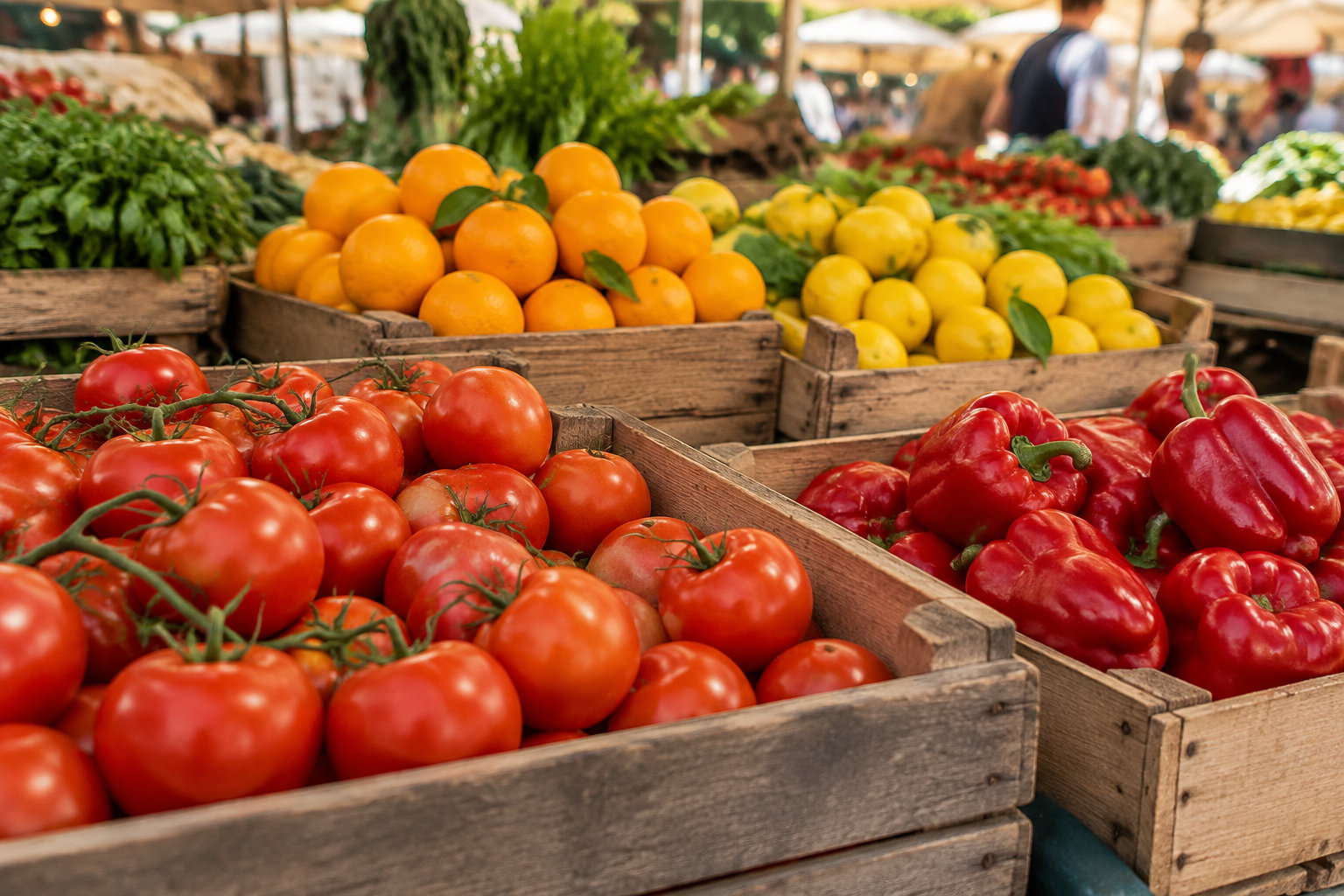
- Seasonal tomatoes and peppers
- Citrus, pomegranates and cherries
- Melons and apricots
Spices, sauces, olives, nuts, dried fruit, oils, vinegars, wines and spirits are available too. Their compact size makes them practical choices if you have limited luggage space.
Breads, pastries and island sweets make a convenient same-day snack. Look for ensaïmada and other Mallorcan baked goods. Carry delicate pastries in a rigid bag if you plan to walk around Palma afterwards.
Eating and tasting on site
The food counters serve ready-to-eat dishes as well as raw ingredients.
The official gastronomic offer includes:
- Homemade recipes
- Traditional variats
- Battered food
- Sausage boards
- Sushi
- Fish cooked to order
Food options are spread across the halls, with bars, cafés and restaurants in and around the market. You will also find an oyster bar, sushi counters, ceviche, cava, champagne, wine and spirits. The visit can serve as breakfast, a late-morning snack or lunch.
In the seafood area, some counters prepare fish or shellfish for immediate eating. Check the preparation and serving charges before ordering, since the final cost depends on the product, portion and counter.
The market also features in guided food tours of Palma. On our market tour with wine, ham & cheese, a local guide explains products such as sobrasada, island cheese and cured ham, and helps you taste several items without choosing every stall alone. For the evening, our Palma Tapas Tour continues the experience in the bars of the old town.
The gastronomic area hosts food events and activities, including showcooking sessions and seasonal market initiatives. If you want an event rather than a standard shopping trip, check the market’s own news before you go.
Decide before you go whether you are shopping for food to take home or for a meal on site, because that choice sets your timing. If you want the fullest selection, plan your arrival for the early morning.
Frequently asked questions
How long should you spend at Mercat de l’Olivar?
Plan one to two hours to walk through both halls, have a drink or snack and buy a few products.
Add more time if you want to sit down for lunch or visit the supermarket and shopping arcade.
Is Mercat de l’Olivar suitable for children?
Yes. Children usually enjoy the colourful fish and fruit stalls.
Keep children close in the seafood and lunchtime areas, where aisles get crowded.
Is entry to Mercat de l’Olivar free?
Yes, you can enter and browse without paying an admission fee. You pay separately for anything you eat or buy from an individual stall.
Can you visit Mercat de l’Olivar with a guide?
Yes. Our Palma Old Town & Market Walking Tour combines the old town with a market visit and tastings of Mallorcan wine, ham and cheese.
See all our Palma city tours, from the Old Town Walking Tour to the evening tapas tour. For more local addresses, get our Mallorca Ultimate Guide.
Leave a Reply