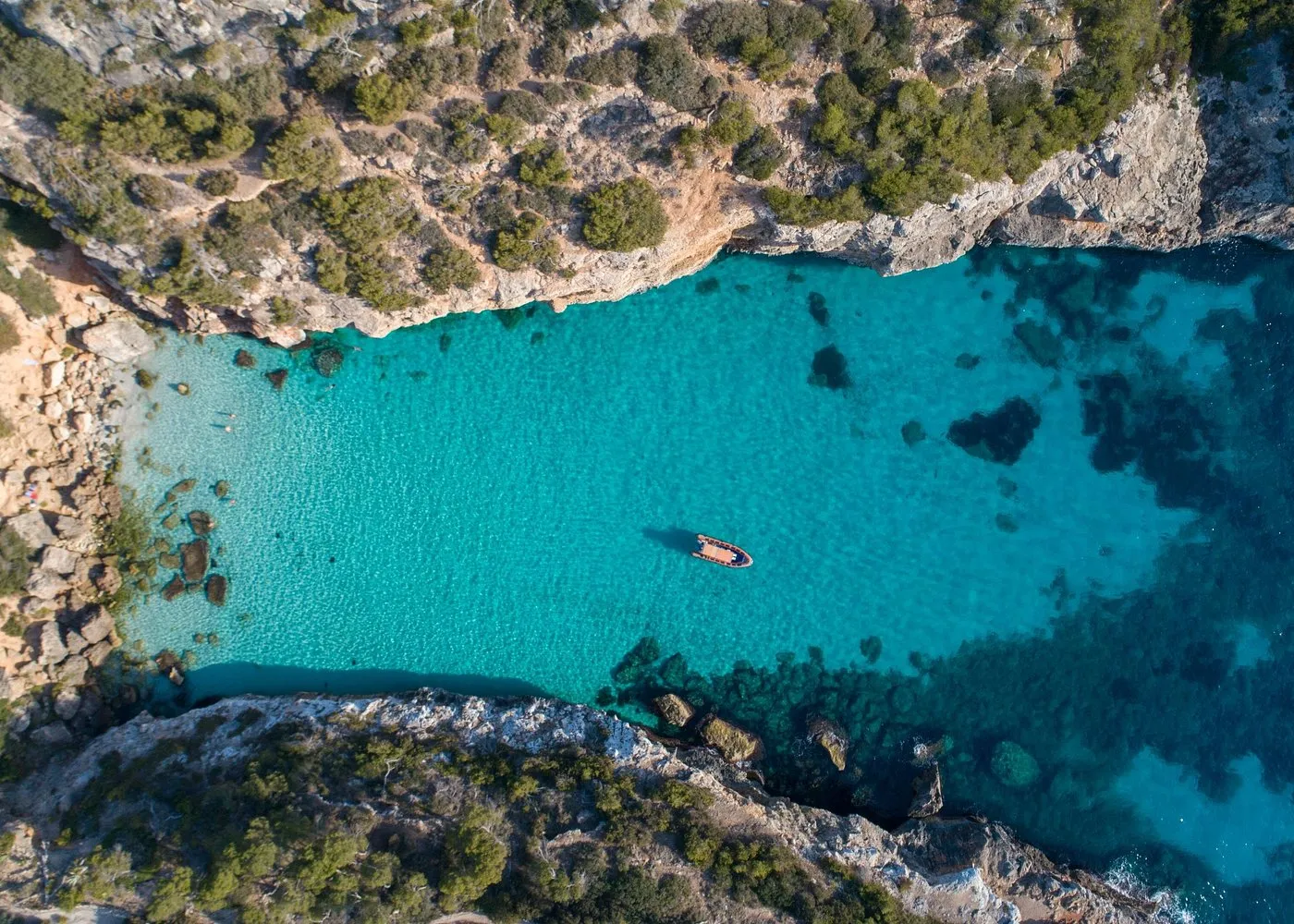

Mallorca is home to some of the most beautiful beaches in the Mediterranean. From long stretches of white sand to secluded coves surrounded by dramatic cliffs, the island offers an incredible variety of coastal landscapes.
Whether you are looking for a family-friendly beach, a romantic spot with crystal-clear water, or a hidden cove away from the busiest tourist resorts, Mallorca has something for everyone.
But with so many beaches to choose from, where should you go?
At Palma Tour Mallorca, we love helping visitors discover the island beyond the usual tourist attractions. In this guide, we share 15 of our favourite beaches in Mallorca, including practical information on how to get there, what to expect and how to make the most of your visit.
You will also discover some of the best boat excursions for exploring Mallorca’s spectacular coastline from the sea.
Planning your holiday? Discover our complete Mallorca Travel Guide, with itineraries, local recommendations and useful information to help you organise your trip.
Discover our Mallorca Ultimate Guide
1. Es Trenc – Mallorca’s Caribbean-Style Beach
Location: Southern Mallorca, near Colònia de Sant Jordi
Best for: White sand, turquoise water and natural scenery
Es Trenc is one of Mallorca’s most famous beaches, and it is easy to understand why.
This spectacular stretch of fine white sand extends for almost two kilometres along the southern coast of the island.
Its shallow, transparent waters and beautiful turquoise colours often remind visitors of the Caribbean.
Unlike many other beaches in Mallorca, Es Trenc has no large hotels or major tourist developments directly behind it.
Instead, the beach is surrounded by protected dunes, natural vegetation and the wetlands of the Es Trenc-Salobrar de Campos Natural Park.
It is an excellent choice for visitors who want to spend a relaxing day surrounded by nature.
How to get to Es Trenc
Es Trenc is approximately 45–55 minutes by car from Palma, depending on traffic and your departure point.
Paid parking is available near the beach, although spaces can fill up quickly during the summer.
Bring plenty of water, sun protection and everything you need for a comfortable beach day, as facilities are limited in some sections.
Local tip: Visit early in the morning or later in the afternoon to enjoy a quieter atmosphere. Stay on the designated paths to protect the fragile dune ecosystem.
2. Caló des Moro – One of Mallorca’s Most Photographed Coves
Location: Southeastern Mallorca, near Santanyí
Best for: Spectacular scenery, photography and turquoise water
If you have seen photographs of Mallorca on Instagram, there is a good chance you have already come across Caló des Moro.
This small cove is surrounded by steep rocky cliffs and Mediterranean vegetation, with incredibly clear water in shades of turquoise and deep blue.
It is undoubtedly one of the island’s most photogenic coastal locations.
However, its popularity comes with a few challenges.
Caló des Moro is very small, and the sandy area can be extremely limited depending on sea conditions.
During the summer, the cove attracts large numbers of visitors, making it difficult to find a comfortable place to sit.
How to get to Caló des Moro
The cove is located near Cala Llombards and the residential area of Cala s’Almunia.
Visitors must use permitted parking areas and continue on foot. The final descent is steep, rocky and uneven.
Wear proper footwear rather than flip-flops, and avoid the descent if you have limited mobility.
There are no beach facilities, toilets or lifeguards.
Local tip: Caló des Moro is beautiful, but it is not necessarily the best choice for spending an entire day at the beach. Consider visiting it as part of a wider exploration of Mallorca’s southeastern coastline.
Discover Caló des Moro by boat
Would you prefer to explore this spectacular part of Mallorca’s coastline from the sea?
Our boat excursion from Cala Figuera takes you along the beautiful southeastern coast, including Caló des Moro and Cala s’Almunia.
It is a wonderful opportunity to admire the dramatic cliffs and turquoise waters from a completely different perspective.
Discover the Caló des Moro & Cala s’Almunia Boat Tour
3. Playa de Muro – One of the Best Beaches in Mallorca for Families
Location: Northern Mallorca, between Alcúdia and Can Picafort
Best for: Families, swimming and long sandy beaches
Playa de Muro is one of the most popular beaches in Mallorca for families.
Stretching for more than five kilometres along the Bay of Alcúdia, it offers fine golden sand, clear water and plenty of space to relax.
The water is generally shallow near the shore, making it particularly attractive for families travelling with young children.
However, as with any beach, children should always be supervised, and swimming conditions depend on the weather.
Playa de Muro is divided into several sections.
The areas closest to the main tourist resorts offer restaurants, hotels, sunbed rentals and other facilities during the tourist season.
For visitors who prefer a more natural environment, the Es Comú section offers a beautiful stretch of beach backed by dunes and pine forests.
How to get to Playa de Muro
Playa de Muro is approximately one hour by car from Palma.
It is easily accessible from Alcúdia, Port d’Alcúdia and Can Picafort.
Public buses also connect the surrounding tourist areas.
Local tip: If you are staying in northern Mallorca, Playa de Muro is an excellent place to combine a relaxing beach day with a boat excursion from Alcúdia.
Explore Mallorca’s northern coastline
From Alcúdia, you can discover beautiful coastal landscapes, hidden coves and crystal-clear waters on a snorkeling boat excursion.
Discover the Coll Baix Snorkeling Boat Tour
4. Cala Mondragó – A Beautiful Beach Surrounded by Nature
Location: Southeastern Mallorca, near Santanyí
Best for: Families, nature lovers and easy coastal walks
Cala Mondragó is located inside Mondragó Natural Park, one of Mallorca’s most beautiful protected coastal areas.
The park is home to several beaches, including Sa Font de n’Alis, commonly known as Cala Mondragó, and the neighbouring S’Amarador.
The combination of white sand, pine forests, rocky cliffs and turquoise water creates a truly beautiful Mediterranean landscape.
Cala Mondragó is particularly attractive for visitors who enjoy combining swimming with short walks through nature.
The park has marked walking trails connecting different beaches and viewpoints.
How to get to Cala Mondragó
The natural park is approximately one hour by car from Palma.
Follow the signs towards Mondragó Natural Park, where designated parking areas provide access to the beaches.
Depending on where you park, you may need to walk a short distance to reach the sand.
Local tip: Bring comfortable walking shoes and visit both Cala Mondragó and S’Amarador during the same trip. The coastal path connecting them offers lovely views of the Mediterranean.
5. Playa de Formentor – A Spectacular Beach Surrounded by Mountains
Location: Northern Mallorca, on the Formentor Peninsula
Best for: Mountain scenery, turquoise water and photography
Playa de Formentor is one of the most scenic beaches in Mallorca.
Located on the spectacular Formentor Peninsula, it is surrounded by pine-covered mountains and the beautiful waters of the Bay of Pollença.
The beach features a relatively narrow strip of pale sand, with trees providing natural shade in certain areas.
Its setting is particularly impressive because the mountains rise directly behind the coastline.
The clear water and surrounding landscape make Formentor an excellent destination for photography and swimming when sea conditions are suitable.
How to get to Playa de Formentor
The beach is approximately 20–30 minutes by car from Port de Pollença when traffic and access conditions allow.
However, access to the Formentor Peninsula is regulated during the tourist season.
Important information for 2026: From 15 May to 18 October, between 10:00 a.m. and 10:00 p.m., private vehicle access to Formentor Beach is limited to the available capacity of the authorised car park. The section beyond the beach towards the lighthouse has stricter restrictions.
Bus line 334 connects Alcúdia and Port de Pollença with Formentor.
Before travelling, check the latest information on the official website:
Local tip: Consider using public transport during the summer to avoid parking difficulties and enjoy the peninsula without worrying about vehicle access restrictions.
6. Cala Agulla – A Beautiful Sandy Beach Near Cala Ratjada
Location: Northeastern Mallorca, near Cala Ratjada
Best for: Swimming, families and natural scenery
Cala Agulla is a beautiful sandy beach surrounded by pine forests and rocky headlands.
Located near the popular resort of Cala Ratjada, it combines the convenience of a developed tourist area with an attractive natural setting.
The beach is approximately 600 metres long, offering plenty of room to relax compared with Mallorca’s smaller coves.
Its clear water and sandy seabed make it a popular destination for swimming.
During the summer, visitors can generally find seasonal facilities such as sunbed rentals and lifeguard services.
How to get to Cala Agulla
Cala Agulla is approximately 80–90 minutes by car from Palma.
Follow the signs towards Cala Ratjada and Cala Agulla.
There is a designated parking area near the beach.
Local tip: Cala Agulla is a good option if you want to spend the day exploring northeastern Mallorca. You can combine your beach visit with a walk around Cala Ratjada or a trip to nearby Capdepera.
7. Cala Llombards – A Picturesque Cove with Crystal-Clear Water
Location: Southeastern Mallorca, near Santanyí
Best for: Swimming, couples and Mediterranean scenery
Cala Llombards is a beautiful sandy cove surrounded by rocky cliffs and Mediterranean vegetation.
Its transparent turquoise water and picturesque setting make it one of the most attractive beaches in southeastern Mallorca.
The beach is relatively small, but its sandy shoreline makes it more comfortable for relaxing than some of the island’s rocky coves.
Traditional fishermen’s boat shelters and small wooden platforms along the sides add to its distinctive character.
How to get to Cala Llombards
The beach is approximately one hour by car from Palma.
Follow the signs towards Santanyí and the residential area of Cala Llombards.
Parking is available near the beach, although spaces are limited during busy periods.
Local tip: Cala Llombards is a good alternative for visitors who want to enjoy the scenery of southeastern Mallorca without tackling the steep descent to Caló des Moro.
8. Cala Mesquida – A Wild Beach Surrounded by Sand Dunes
Location: Northeastern Mallorca, near Capdepera
Best for: Natural landscapes, photography and long sandy beaches
Cala Mesquida is one of Mallorca’s most impressive natural beaches.
Located on the northeastern coast, it features a wide sandy shoreline surrounded by dunes, pine forests and rocky hills.
The beach has a more open and wild atmosphere than many of Mallorca’s smaller coves.
Its exposed location means that waves and currents can sometimes be stronger than at more sheltered beaches.
Always pay attention to the beach flags and local safety information before entering the water.
How to get to Cala Mesquida
Cala Mesquida is approximately 80–90 minutes by car from Palma.
You can reach the beach through the residential area of Cala Mesquida, followed by a walk down to the sand.
Local tip: Visit on a calm day if swimming is your priority. The surrounding dunes and natural landscape also make this a wonderful destination for photography.
9. Cala Pi – A Hidden-Looking Cove Between Dramatic Cliffs
Location: Southern Mallorca, near Llucmajor
Best for: Photography, scenic swimming and couples
Cala Pi is one of the most distinctive beaches in southern Mallorca.
This narrow cove is surrounded by high rocky cliffs, with a small sandy beach at the end of a long inlet.
The contrast between the turquoise water, pale sand and steep cliffs creates a spectacular landscape.
Cala Pi is particularly popular with visitors who enjoy discovering picturesque Mediterranean coves.
How to get to Cala Pi
The beach is approximately 40–50 minutes by car from Palma.
You can park in the residential area above the cove and follow the stairs down to the beach.
The staircase is relatively steep, so Cala Pi may not be suitable for visitors with reduced mobility.
There is limited space on the sand, particularly during the summer.
Local tip: Visit in the morning for beautiful light and a better chance of finding space on the beach.
10. Cala Varques – An Unspoilt Cove for Adventurous Travellers
Location: Eastern Mallorca, near Manacor
Best for: Hiking, natural scenery and adventurous beach days
Cala Varques is a beautiful undeveloped cove on Mallorca’s eastern coast.
Surrounded by rocky cliffs and Mediterranean vegetation, it offers a more natural atmosphere than many beaches close to the island’s main tourist resorts.
Its clear water and relatively isolated location make it particularly attractive to visitors who enjoy combining hiking with swimming.
However, reaching Cala Varques requires considerably more effort than visiting a conventional beach.
How to get to Cala Varques
Access is possible on foot via a long coastal route or by sea.
Walking routes can be uneven, rocky and exposed to the sun. Allow sufficient time, wear suitable footwear and carry plenty of drinking water.
There are no conventional beach facilities, and you should not rely on finding food, drinking water or lifeguards.
Respect private property, access restrictions and parking regulations.
Local tip: Cala Varques is not the most convenient option for families with small children or travellers who prefer easy beach access. Choose a more accessible cove if you are looking for a relaxed beach day.
11. Cala Sa Nau – A Beautiful Cove for Snorkeling
Location: Southeastern Mallorca, near Portocolom
Best for: Snorkeling, swimming and a relaxing beach day
Cala Sa Nau is a charming sandy cove surrounded by low cliffs and pine forests.
Its clear water, rocky edges and varied seabed make it an attractive destination for snorkeling when conditions are calm.
The beach is relatively small, giving it an intimate atmosphere outside the busiest summer periods.
Seasonal beach facilities and a beach bar are normally available during the main tourist season.
How to get to Cala Sa Nau
Cala Sa Nau is approximately one hour by car from Palma.
Follow the signs towards S’Horta and Cala Sa Nau.
A designated parking area is located a short walk from the beach, with steps leading down to the sand.
Local tip: Bring your snorkeling equipment and explore the rocky areas near the sides of the cove, provided sea conditions are safe. Avoid touching marine life or disturbing the underwater environment.
12. Cala Deià – A Rocky Cove in the Tramuntana Mountains
Location: Northwestern Mallorca, near Deià
Best for: Mountain scenery, photography and a romantic coastal atmosphere
Cala Deià is one of the most picturesque coves on Mallorca’s northwestern coast.
Unlike the sandy beaches of southern Mallorca, Cala Deià has a rocky shoreline surrounded by dramatic cliffs and the mountains of the Serra de Tramuntana.
Its natural beauty and traditional coastal setting make it a wonderful place to experience a different side of Mallorca.
The cove is particularly attractive to couples, photographers and visitors exploring the mountain villages of the island.
How to get to Cala Deià
Cala Deià is approximately 45–60 minutes by car from Palma, depending on traffic.
The road leading down to the cove is narrow and winding, and parking is extremely limited.
You can also reach the cove on foot from Deià, although the route involves a significant descent and a return climb.
The shoreline is rocky, so water shoes are recommended.
Local tip: Combine your visit with a walk through the beautiful village of Deià. If you plan to swim, remember that the rocky coastline can become dangerous when the sea is rough.
13. Cala Santanyí – A Convenient Beach for Families
Location: Southeastern Mallorca, near Santanyí
Best for: Families, swimming and beachside restaurants
Cala Santanyí is a lovely sandy beach located at the end of a sheltered bay.
It offers a convenient combination of beautiful scenery, clear water and nearby tourist facilities.
The beach is particularly attractive for families who want to spend several hours by the sea without needing to bring everything with them.
Restaurants, accommodation and seasonal beach services are available in the surrounding resort area.
The rocky sides of the bay also create an interesting coastal landscape for visitors who enjoy snorkeling.
How to get to Cala Santanyí
The beach is approximately one hour by car from Palma.
Follow the signs towards Santanyí and Cala Santanyí.
Parking is available in the surrounding area, although finding a space can be more difficult during the summer.
Local tip: Cala Santanyí is also a convenient starting point for exploring the southeastern coast, including the famous Es Pontàs natural rock arch.
14. Cala Millor – A Long Sandy Beach with Plenty of Facilities
Location: Eastern Mallorca
Best for: Families, beach holidays and visitors staying in coastal resorts
Cala Millor is one of the most popular beach destinations on Mallorca’s eastern coast.
Its long sandy shoreline stretches for almost two kilometres and is bordered by a lively promenade.
The beach offers clear water, a wide sandy area and easy access to restaurants, hotels and shops.
Unlike Mallorca’s smaller natural coves, Cala Millor is particularly convenient for visitors who want to spend an entire day at the beach without travelling far from their accommodation.
It is also an excellent option for families and travellers who prefer having services close by.
How to get to Cala Millor
Cala Millor is approximately one hour by car from Palma.
The resort is also accessible by public transport, and visitors staying in the area can easily reach the beach on foot.
Local tip: Take a walk along the promenade in the evening or explore the nearby Punta de n’Amer natural area for a change of scenery.
15. Coll Baix – A Remote Beach Surrounded by Dramatic Cliffs
Location: Northern Mallorca, near Alcúdia
Best for: Adventure, spectacular landscapes and boat excursions
Coll Baix is one of the most impressive natural beaches in northern Mallorca.
Located on the rugged coastline near Alcúdia, this remote beach is surrounded by high cliffs and offers a completely different atmosphere from the island’s developed seaside resorts.
Its isolated setting makes it particularly attractive to visitors who want to discover Mallorca’s wild Mediterranean coastline.
However, reaching Coll Baix by land is not easy.
How to get to Coll Baix
The beach can be reached via a hiking route from the Alcúdia area, followed by a difficult descent over rocky terrain.
The final section requires care and is not suitable for everyone.
There are no beach facilities, and visitors should bring sufficient water and appropriate footwear.
For travellers who prefer to avoid the demanding hike, a boat excursion is an attractive alternative.
Discover Coll Baix by boat
Our snorkeling boat excursion from Alcúdia explores the spectacular northern coastline, including Coll Baix and the Alcanada area.
It is a great opportunity to enjoy Mallorca’s beautiful Mediterranean scenery and discover the underwater world.
Discover Our Coll Baix Snorkeling Boat Tour
Which Part of Mallorca Has the Best Beaches?
Mallorca has beautiful beaches across the entire island, but each coastal region offers a different experience.
Choosing the right area depends on your accommodation, transport options and the type of beach you prefer.
Northern Mallorca: Long Sandy Beaches and Mountain Scenery
The north is particularly attractive for families and visitors who enjoy long sandy beaches.
Playa de Muro and the Bay of Alcúdia offer extensive stretches of sand, while the Formentor Peninsula is famous for its spectacular mountain scenery.
The northern coastline is also a great destination for boat excursions and snorkeling.
Southern Mallorca: White Sand and Natural Beaches
Southern Mallorca is home to some of the island’s most famous sandy beaches, including Es Trenc.
This area is particularly attractive for travellers looking for wide beaches, turquoise water and natural coastal landscapes.
Southeastern Mallorca: Beautiful Coves and Turquoise Water
The southeastern coast is famous for its picturesque coves, including Caló des Moro, Cala Llombards, Cala Mondragó and Cala Santanyí.
Many of these beaches are surrounded by rocky cliffs and Mediterranean vegetation.
This is an excellent region to explore by car or on a coastal boat excursion.
Northwestern Mallorca: Dramatic Cliffs and Rocky Coves
The Serra de Tramuntana coastline offers a completely different experience.
Here, the mountains meet the Mediterranean, creating spectacular landscapes and small rocky coves such as Cala Deià.
This area is particularly attractive for photography, scenic drives and visitors who enjoy combining mountain villages with coastal exploration.
Best Beaches in Mallorca for Families
Travelling to Mallorca with children?
The island has many family-friendly beaches with sandy shorelines, nearby restaurants and convenient access.
Some excellent options include:
- Playa de Muro, for its long sandy beach and generally shallow water.
- Cala Mondragó, for its natural setting and nearby walking trails.
- Cala Santanyí, for its sheltered bay and convenient facilities.
- Cala Millor, for its extensive beach and lively promenade.
- Cala Agulla, for its sandy shoreline and beautiful surroundings.
For families with young children, we generally recommend choosing an accessible beach with nearby facilities rather than a remote cove requiring a difficult hike.
Always check the sea conditions and lifeguard flags before swimming.
Best Hidden Beaches in Mallorca
If you prefer natural surroundings and a sense of adventure, Mallorca has several beautiful coves away from its main resort beaches.
Cala Varques and Coll Baix are two particularly interesting options for experienced hikers who enjoy remote coastal landscapes.
Cala Deià offers a beautiful rocky setting beneath the Tramuntana Mountains.
However, it is important to remember that some of Mallorca’s most famous hidden coves have become extremely popular.
Caló des Moro, for example, can be very crowded during the summer despite its relatively remote location.
Our advice: Rather than searching only for the most famous beaches on social media, explore different parts of the island and consider visiting outside peak hours.
You may discover that a less famous beach offers a more enjoyable experience.
Explore Mallorca’s Best Beaches by Boat
One of the most memorable ways to discover Mallorca’s coastline is from the sea.
A boat excursion allows you to admire dramatic cliffs, explore coastal landscapes and visit areas that can be difficult to reach by land.
At Palma Tour Mallorca, we offer several experiences along different parts of the island.
Caló des Moro & Cala s’Almunia Boat Tour
Discover the beautiful southeastern coastline on a boat excursion departing from Cala Figuera.
Explore the Caló des Moro Boat Tour
Cala Màrmols Boat Tour
Explore the spectacular coastline around Cala Màrmols, one of southeastern Mallorca’s beautiful natural coves.
Discover the Cala Màrmols Boat Tour
Coll Baix Snorkeling Boat Tour
Discover the rugged northern coastline near Alcúdia and enjoy a snorkeling experience around Coll Baix and Alcanada.
Book the Coll Baix Snorkeling Boat Tour
Blue Cave Boat Tour
Explore Mallorca’s spectacular marine scenery and discover the beautiful Blue Cave on a guided boat excursion.
Discover the Blue Cave Boat Tour
Dolphin Watching at Sunrise from Alcúdia
Watch wild dolphins off Cap de Formentor on an early-morning boat trip from Port d’Alcúdia.
Discover the Dolphin-Watching Trip
Family Boat Trip from Magaluf
Swimming stops, a buffet and a relaxed atmosphere on the southwest coast, ideal with children.
Discover the Magaluf Family Boat Trip
Boat itineraries, swimming stops and access to individual coves depend on weather, sea conditions and the excursion selected. Always check the activity description before booking.
Practical Tips for Visiting Mallorca’s Beaches
1. Visit Popular Beaches Early
During July and August, Mallorca’s most famous beaches can become very crowded.
If you are planning to visit Caló des Moro, Cala Llombards or Formentor, arriving early can make your experience more enjoyable.
2. Check the Weather and Wind
A beach that looks perfectly calm in photographs can have strong waves or currents on a windy day.
Check the weather forecast and local beach safety information before travelling.
Never enter the water when swimming is prohibited.
3. Bring Water and Sun Protection
Some natural coves have no restaurants, shops or drinking water.
Bring sufficient water, sunscreen and a hat, particularly if you plan to walk to a remote beach.
4. Respect Mallorca’s Natural Environment
Many of Mallorca’s beaches are located within protected natural areas.
Stay on designated paths, avoid walking on dunes, take your rubbish with you and never remove sand, shells or marine life.
Do not anchor on protected Posidonia seagrass meadows.
5. Consider Renting a Car
A rental car can make it easier to explore several beaches during the same holiday, particularly in southeastern Mallorca.
However, parking can be limited, and certain coastal roads have seasonal access restrictions.
Always check local regulations before travelling.
Our car hire partner Offugo offers all-risk insurance with no excess and accepts debit cards. Save 10% with the code MALLORCA10.
6. Do Not Try to Visit Too Many Beaches in One Day
Although Mallorca is a relatively small island, travelling between beaches can take longer than expected.
Narrow roads, traffic, parking and walking routes can significantly increase journey times.
We recommend choosing two or three beaches in the same geographical area rather than spending most of your day driving across the island.
Frequently Asked Questions About Mallorca’s Beaches
What is the most beautiful beach in Mallorca?
Mallorca has many spectacular beaches, and the answer depends on what you are looking for.
Caló des Moro is particularly famous for its dramatic cliffs and turquoise water, while Es Trenc is known for its long stretch of white sand.
Playa de Formentor offers beautiful mountain scenery, and Playa de Muro is an excellent choice for visitors who prefer a spacious sandy beach.
Which beach in Mallorca has the clearest water?
Many of Mallorca’s coves have exceptionally clear water when sea conditions are calm.
Caló des Moro, Cala Llombards, Cala Mondragó and Cala Sa Nau are particularly attractive for visitors looking for turquoise Mediterranean water.
Water clarity varies depending on wind, waves, weather and other natural conditions.
Are Mallorca’s beaches sandy or rocky?
Mallorca has both sandy beaches and rocky coves.
Playa de Muro, Es Trenc and Cala Millor offer long sandy shorelines, while Cala Deià has a predominantly rocky beach.
Some coves, such as Cala Llombards, combine a sandy beach with rocky areas along the sides.
What are the best beaches in Mallorca for children?
Playa de Muro, Cala Millor, Cala Mondragó and Cala Santanyí are attractive options for families.
They offer sandy areas and convenient access to nearby facilities, although services can vary by season.
Always supervise children in the water and follow local safety advice.
Can you visit Mallorca’s best beaches without a car?
Yes, several popular beaches can be reached by public transport, including Playa de Muro, Cala Millor and Playa de Formentor.
However, smaller coves in southeastern Mallorca can be more difficult to reach without a rental car or an organised excursion such as our Caló des Moro boat trip.
Check current bus routes and timetables before planning your journey.
What is the best month for a beach holiday in Mallorca?
June and September are particularly attractive months for a beach holiday, offering warm Mediterranean weather and generally fewer visitors than the busiest weeks of July and August.
July and August are popular for swimming and beach activities, but temperatures and visitor numbers are usually higher.
May and October can also offer pleasant beach days, although sea temperatures and weather conditions are more variable.
Are beaches in Mallorca free?
Public beaches in Mallorca are generally free to access.
However, parking, sunbed rentals, umbrellas and certain beach services may involve additional charges.
Access to some coastal areas may also be regulated to protect the environment or manage traffic.
Plan Your Perfect Mallorca Holiday
Mallorca is much more than a destination for beautiful beaches.
From traditional mountain villages and local markets to spectacular coastal excursions and Mediterranean gastronomy, the island offers countless experiences worth discovering.
Whether you are visiting Mallorca for a weekend or spending an entire week exploring the island, good planning will help you make the most of your holiday.
At Palma Tour Mallorca, we help travellers discover the island through local recommendations, guided experiences and carefully selected excursions.
Want to discover more of Mallorca?
Explore our activities and start planning your next adventure:
Discover our Mallorca excursions
Or get our complete travel guide, with itineraries, practical information and local recommendations to help you organise your stay.
Get our Mallorca Ultimate Guide
Which beach in Mallorca would you love to visit first?
Some links in this article are affiliate or partner links. If you book through them, Palma Tour Mallorca may receive a commission at no extra cost to you.
Leave a Reply