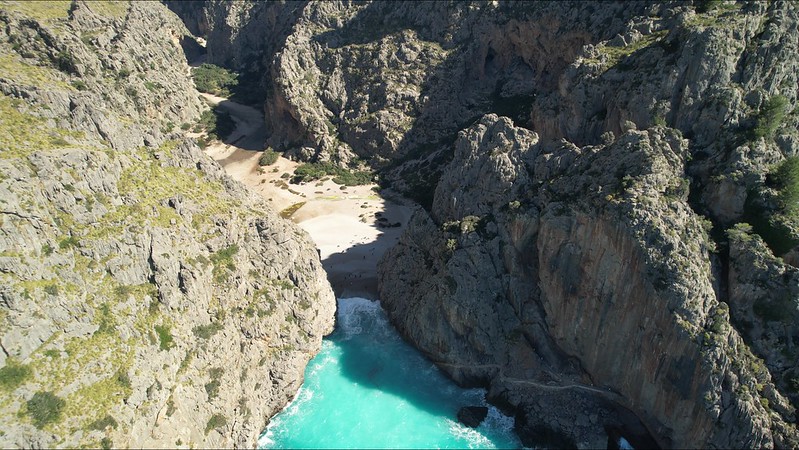
Nestled in the rugged mountains of Mallorca, the charming village of Sa Calobra is a hidden paradise that attracts nature lovers, cyclists, and adventurers alike. Situated on the northwest coast of the island, it offers a glimpse into Mallorca’s more untouched and wild beauty, far from the bustling beaches of the southern coast. With its dramatic landscapes, crystal-clear waters, and historical significance, Sa Calobra is much more than just a pretty spot to visit—it’s an experience.
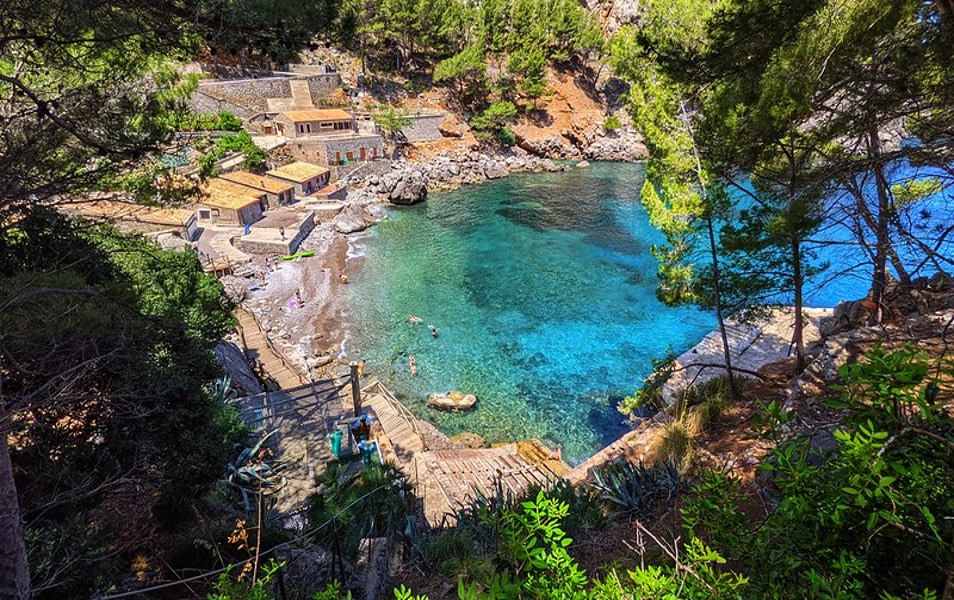
Sa Calobra is not the easiest place to reach, but that’s part of its appeal. The journey involves navigating the Serra de Tramuntana, a UNESCO World Heritage mountain range. The road leading to Sa Calobra is a winding, serpentine route known for its sharp turns and breathtaking views. Cyclists, in particular, love this route for its challenge and beauty.
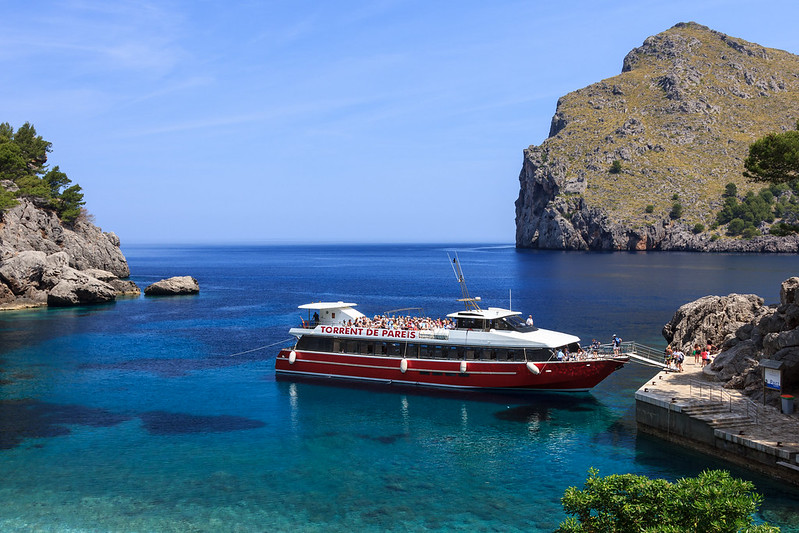
For those who prefer a more relaxed route, boat trips are available from Port de Sóller. Once you arrive, the main attraction is undoubtedly the stunning beach. Sa Calobra’s small cove is made up of pebbles rather than sand, which only adds to its unique and untouched feel. The clear, turquoise waters are perfect for swimming, snorkeling, and simply soaking in the natural beauty of the area.
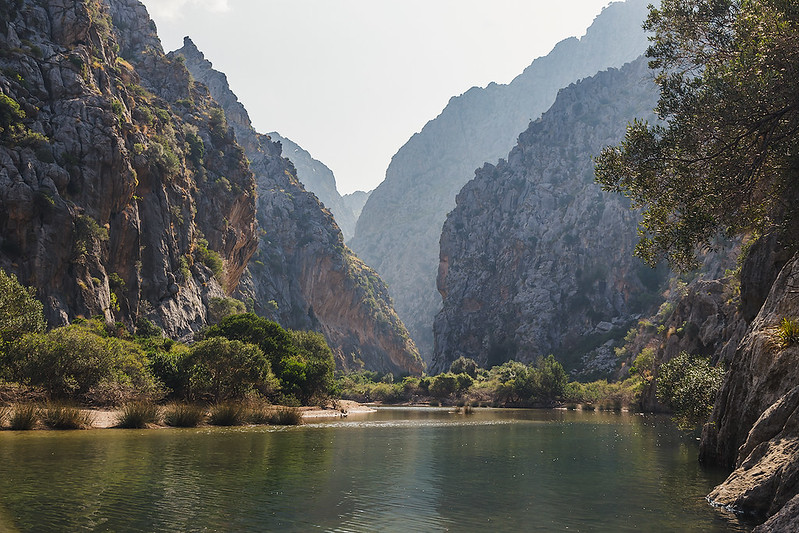
The absence of big resort developments ensures that the charm of the area remains largely unspoiled.Just above the beach lies one of Mallorca’s most famous natural wonders—Torrent de Pareis. This dramatic gorge, carved by centuries of erosion, is a jaw-dropping sight to behold. The torrent is a deep, narrow canyon that ends at the beach, where the fresh water of the river meets the Mediterranean Sea. The hike to the mouth of the gorge is a popular activity for adventurers.
Sa Calobra’s history dates back to the 18th century when it was a small fishing village. However, it wasn’t until the 20th century that the village became a more well-known spot. In 1932, the famous Archduke Louis-Salvador of Austria decided to build a road through the mountains to connect Sa Calobra to the rest of Mallorca, opening up the area to more visitors. The road’s construction was a monumental feat of engineering, with hairpin turns and steep inclines that remain a testament to the dedication of those who worked on it.
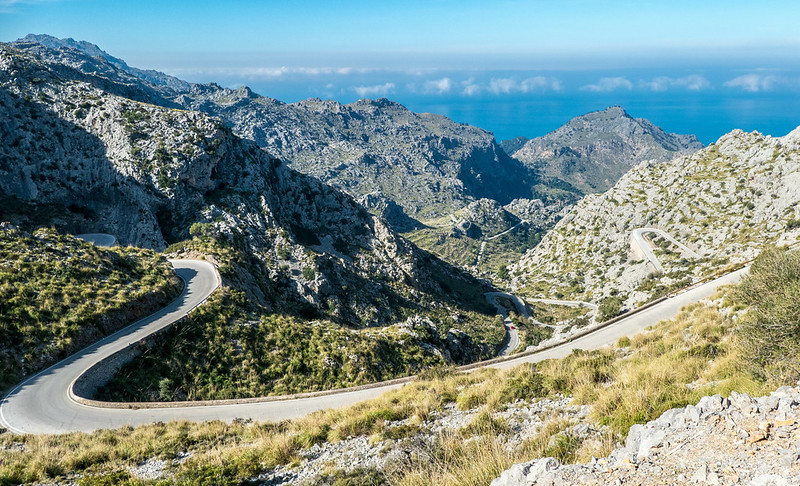
The archduke also left a lasting legacy by building a small private estate in the area. The village remains a quiet, peaceful place, but it’s impossible to ignore the historical significance of the area, which has played an important role in the development of Mallorca’s tourism industry.
Don’t forget Palma Tour Mallorca drives you to these amazing places. Contact us directly for more information about our tours. Click here and book your island tour now.
Rony and Floris
- The Majestic Cathedral of Palma de Mallorca: History, Architecture & Legacy
- Top 5 Sunset Spots in Mallorca Best places for golden hour
- TICKETS & ATTRACTIONS IN PALMA DE MALLORCA
- The train of Sóller & tram to the port of Sóller short guide and mini-history
- How to Rent a Car with Off U Go in Mallorca ?And save with Our Exclusive Discount!

 Palma Tour Mallorca
Leave a comment