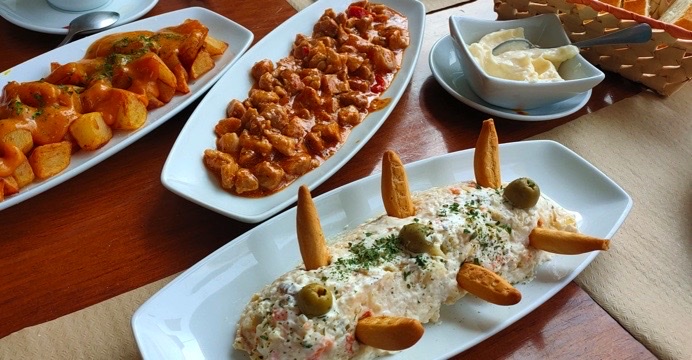
Mallorca, the largest of the Balearic Islands, is not only known for its stunning beaches and picturesque landscapes but also for its rich culinary culture. Among the most beloved aspects of Mallorcan cuisine are tapas—small plates of food that encourage sharing and sampling.
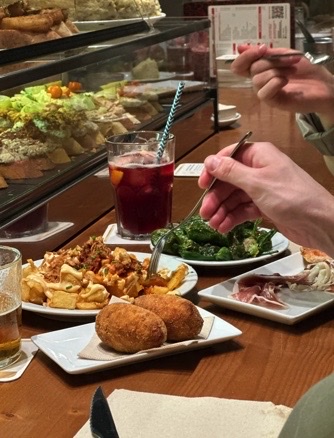
Tapas in Mallorca are a delightful mix of traditional Spanish flavors with a unique local twist, reflecting the island’s history and diverse influences. Whether you’re a first-time visitor or a seasoned traveler, experiencing tapas in Mallorca is an absolute must.
The origin of ‘tapas’
The tradition of tapas dates back to the 13th century. King Alfonso X (King in the north west of Spain) was prescribed a large quantity of wine while he was recovering from an illness. He ate small portions of food to diminish the effects of the alcohol. As this method was successful he insisted that every household should serve a small portion of food alongside the drink to prevent public drunkenness.
The word “tapa” itself comes from the Spanish verb “tapar,” meaning “to cover,” as tapas were originally used to cover drinks and protect them from dust or insects.
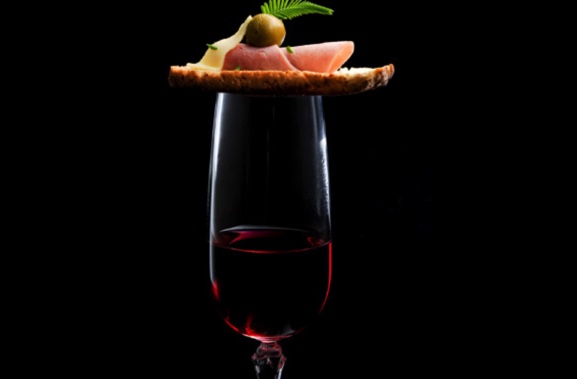
The original tapas (lid) were thin slices of bread or meat (chorizo or ham) that bartenders in Andalusian bars used to cover (tapar) the glasses of sherry drinkers in between their sips. They did this to prevent fruit flies flying inside their glass.
The ham or chorizo was very salty and activated the people’s thirst. Because of this bartenders and restaurant owners created a variety of snacks to serve with sherry and increase their alcohol sales. The tapas eventually became as important as the sherry.
Another theory is that in the beginning of the 19th century few hostel or bodega owners could write and few travellers could read. That’s why guests where offered a sample of the dishes available on a “tapa” (pot cover in Spanish). The fourth theory tells us that King Alfonso Xll traveled to Cadiz (coast village in the south of Spain) and stopped at a tavern on a windy day. To keep the dust and sand out of his drink the bartender put a slice of ham on top. The king loved this so much and he ordered another drink.
Over time, tapas evolved into a social dining experience where friends and family gather to enjoy small portions of a variety of dishes, typically accompanied by wine or beer. In Mallorca, tapas play an essential role in daily life, from casual gatherings to celebratory feasts.
A few traditional tapas with a Mallorcan twist
While many tapas dishes are common across Spain, Mallorca’s unique geography and history have given rise to local ingredients and flavors that set Mallorcan tapas apart. Local produce, seafood, and meats are creatively incorporated into tapas dishes, creating an experience that reflects both the island’s Mediterranean environment and its agricultural traditions.
Pa-amb-Oli
“Pa amb oli” is a traditional Mallorcan and Catalan dish that translates to “bread with oil” in English. It is a simple yet delicious dish made by drizzling high-quality olive oil over slices of rustic Mallorcan bread. The bread is often rubbed with ripe tomatoes to enhance the flavor, and it is typically topped with a variety of ingredients such as cured meats (like sobrasada or jamón serrano), cheeses, olives, and sometimes even anchovies.
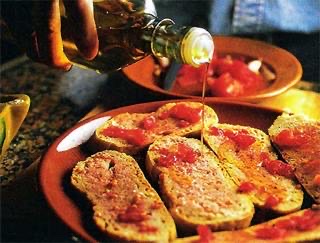
The dish is a popular appetizer or snack in Mallorca and other parts of Spain, often enjoyed with a glass of wine or beer. It reflects the Mediterranean tradition of using simple, fresh ingredients to create a flavorful and satisfying meal.
Sobrasada
Sobrasada is a traditional Mallorcan sausage made primarily from ground pork, paprika, and other spices. It has a soft, spreadable texture and a distinctive red color, which comes from the use of sweet or smoked paprika. The sausage is seasoned with garlic, salt, black pepper, and sometimes other spices such as thyme or oregano.
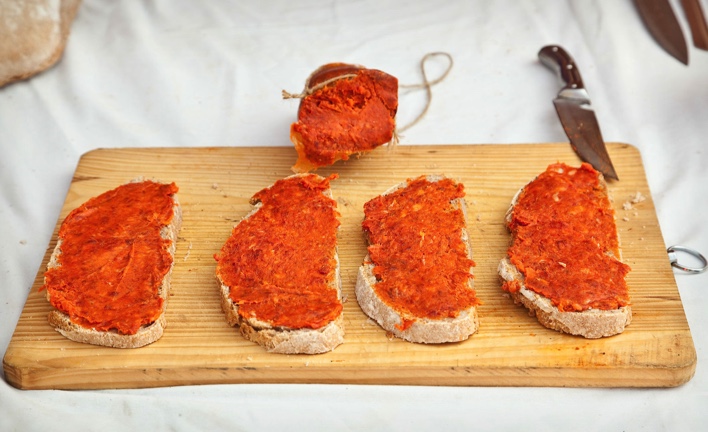
Unlike many other sausages, sobrasada is not cooked; instead, it is cured, which gives it its unique flavor and texture. It is commonly enjoyed as part of tapas, spread on bread (especially in the dish pa amb oli), or paired with cheese and olives. Sobrasada can also be used in cooking, for example, in stews, omelets, or as a filling for pastries.
It has become an iconic dish at the Balearic Islands. The quality of the paprika and the curing process give sobrasada its rich, smoky flavor, making it a beloved local delicacy.
Tumbet
Tumbet is a traditional Mallorcan dish, often considered a type of vegetable casserole or stew. It is made from a combination of locally grown vegetables, such as eggplant (aubergine), zucchini, red peppers, and tomatoes.
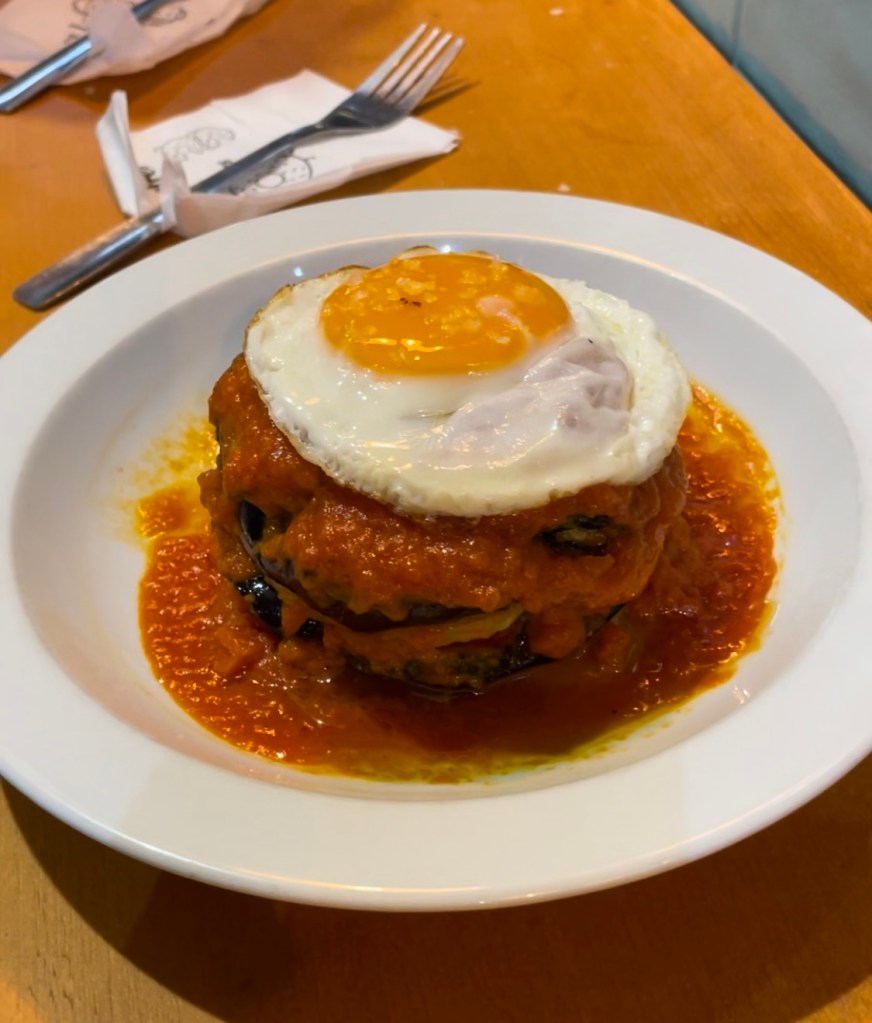
The vegetables are typically fried individually, then layered together in a baking dish and baked with olive oil. The dish is often topped with a generous amount of garlic and herbs, and in some variations, a fried egg is placed on top before serving.
Frito Mallorquí
Frito Mallorquín (or Frit Mallorquí) is a traditional Mallorcan dish, typically made with a combination of meats (pork, lamb, or a combination of both), potatoes(cubed or sliced potatoes are fried until crispy, forming the base of the dish) and vegetables (peppers, onions, peas, and tomatoes), all cooked together in a flavorful mix of herbs and spices.
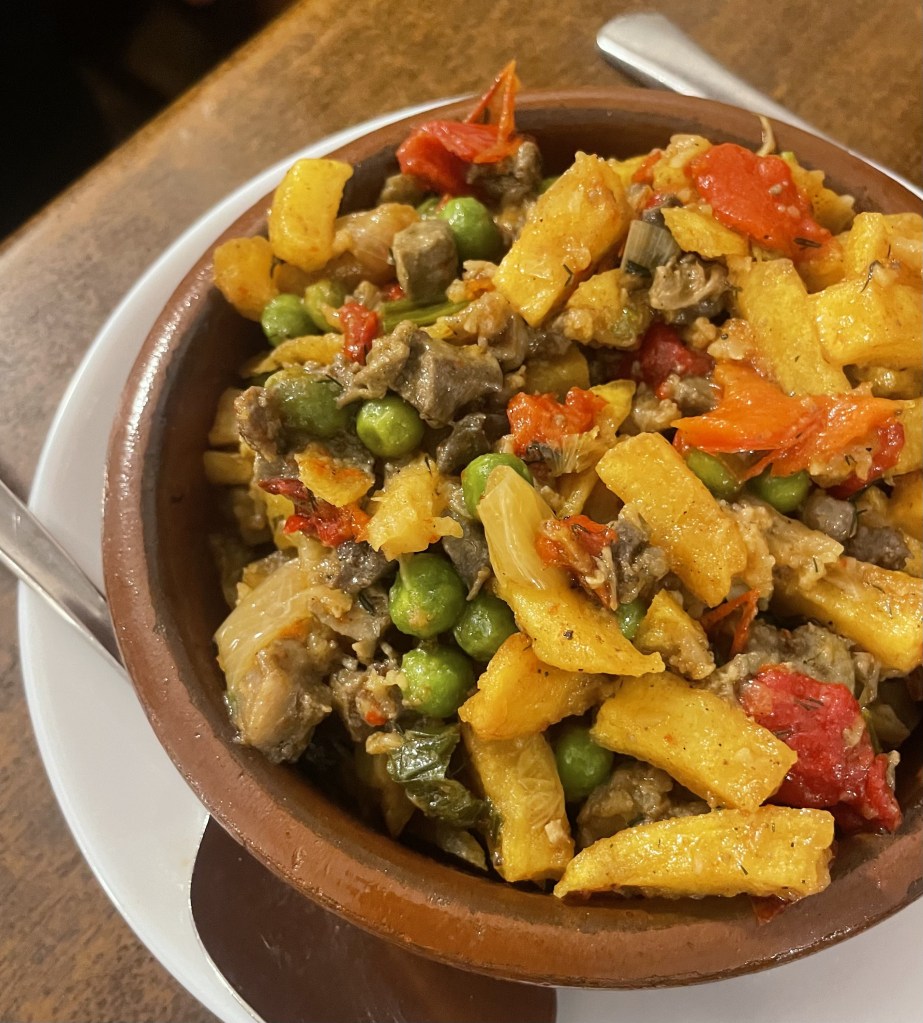
The meat is typically chopped into small pieces. The dish is a hearty and rustic specialty of the Balearic Islands, particularly favored for its rich flavors.
Mariscos (Seafood)
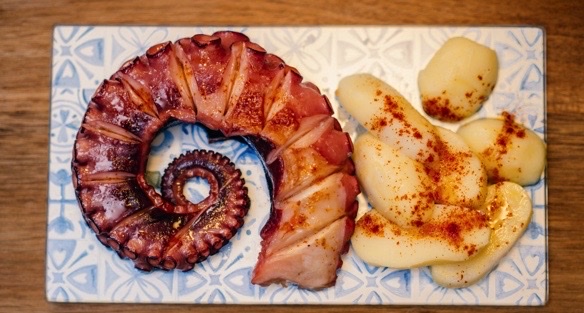
Given its Mediterranean location, Mallorca also boasts an abundance of fresh seafood. Popular seafood tapas include calamares (fried squid), mejillones (mussels), and gambas (prawns). These dishes highlight the island’s proximity to the sea, offering sweet and succulent flavors. My favorite seafood tapas is the ‘Pulpo a la plancha’ (grilled octopus).
Pimientos de Padrón (Padron Peppers)
Although originally from Galicia, pimientos de padrón are a popular tapa throughout Spain, including in Mallorca. These small green peppers are typically fried in olive oil and sprinkled with sea salt.
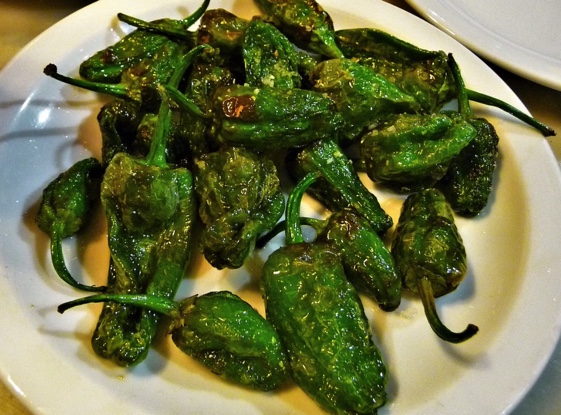
While most are mild, every now and then you’ll get a spicy one, making eating pimientos de padrón a fun and flavorful experience. Their smoky, slightly bitter taste pairs wonderfully with other tapas and a glass of local wine.
Ensaladilla rusa (Russian salad)
Ensaladilla rusa (Spanish Russian salad) is a classic Spanish dish that is often served as a tapa, side dish, or appetizer. Despite the name, it is not from Russia, but its origins are linked to European cuisine, particularly Russian salad recipes brought to Spain in the 19th century. Over time, the dish has evolved into a beloved part of Spanish cuisine, with various regional variations.
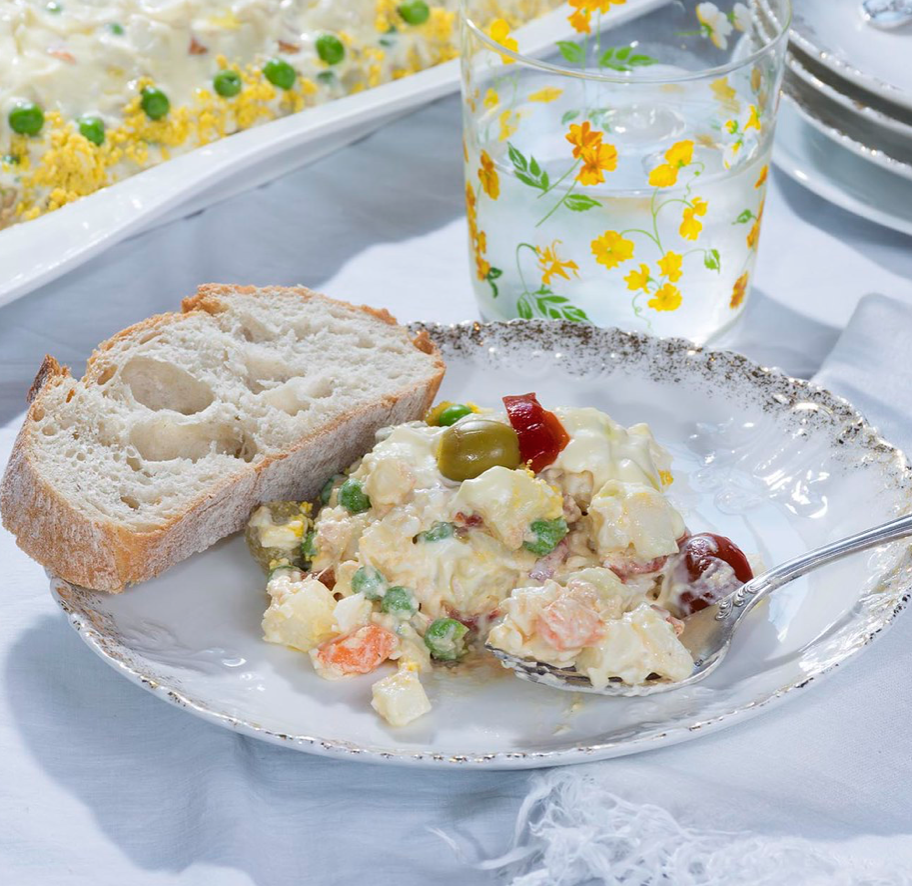
The typical ingredients of ensaladilla rusa include: potatoes (boiled and chopped into small cubes), carrots (boiled and chopped), Peas (green peas, adding a touch of sweetness and color), mayonnaise (binds the ingredients together, creating a creamy texture), Tuna (common addition in Spanish versions of the salad, providing extra richness and protein, eggs (hard-boiled eggs are often used as a garnish or mixed into the salad for added texture and flavor).
Sharing tapas with local wines
No tapas experience in Mallorca would be complete without a glass of local wine. The island’s wine regions, such as Binissalem, offer a selection of wines that pair perfectly with tapas.
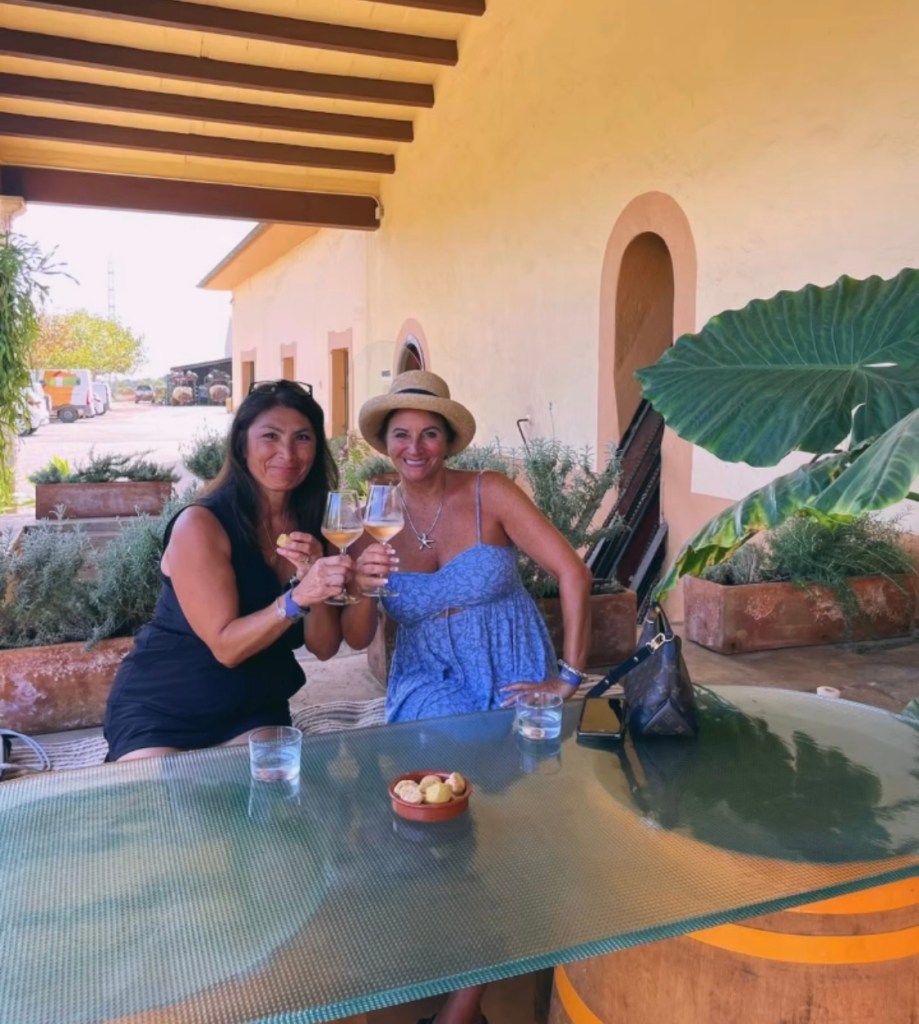
Mallorca’s vineyards produce some exceptional wines, many of which are organic and sustainable, aligning with the island’s emphasis on fresh, local ingredients.
Don’t forget we organize wine tasting tours (click here to watch video). We provide transport to the vineyard and back to your accommodation so you can also drink some wine instead of just tasting. Click here to contact us if you would like more info about these tours.
Conclusion
Tapas in Mallorca represent more than just a dining experience; they are a reflection of the island’s culture, history, and love for good food. Whether you’re savoring a traditional dish like sobrasada or discovering a modern twist on old favorites, Mallorca’s tapas offer an unparalleled culinary adventure. So, next time you visit the island, make sure to sit back, relax, and enjoy the delightful variety of small dishes that make up the heart and soul of Mallorcan cuisine.
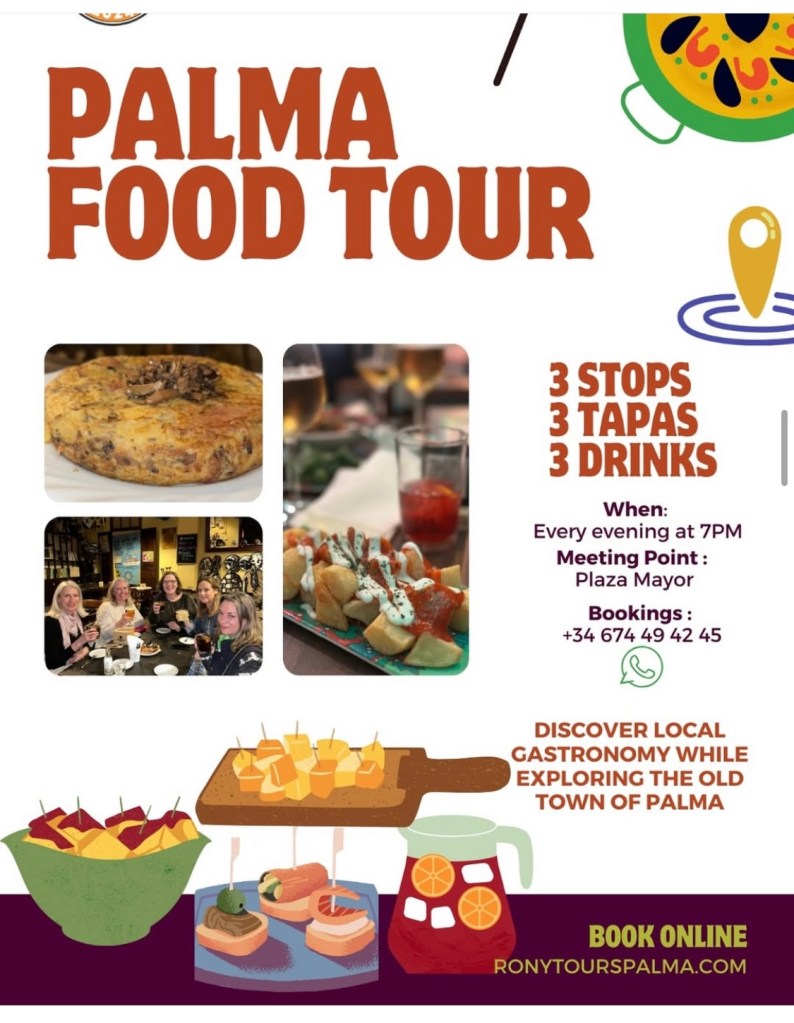
We also organize food tours (click here for video). These food tours are the perfect opportunity to try some of the best tapas in the best restaurants. Click here to book your food tour now.
Rony and Floris
 Palma Tour Mallorca
Leave a comment