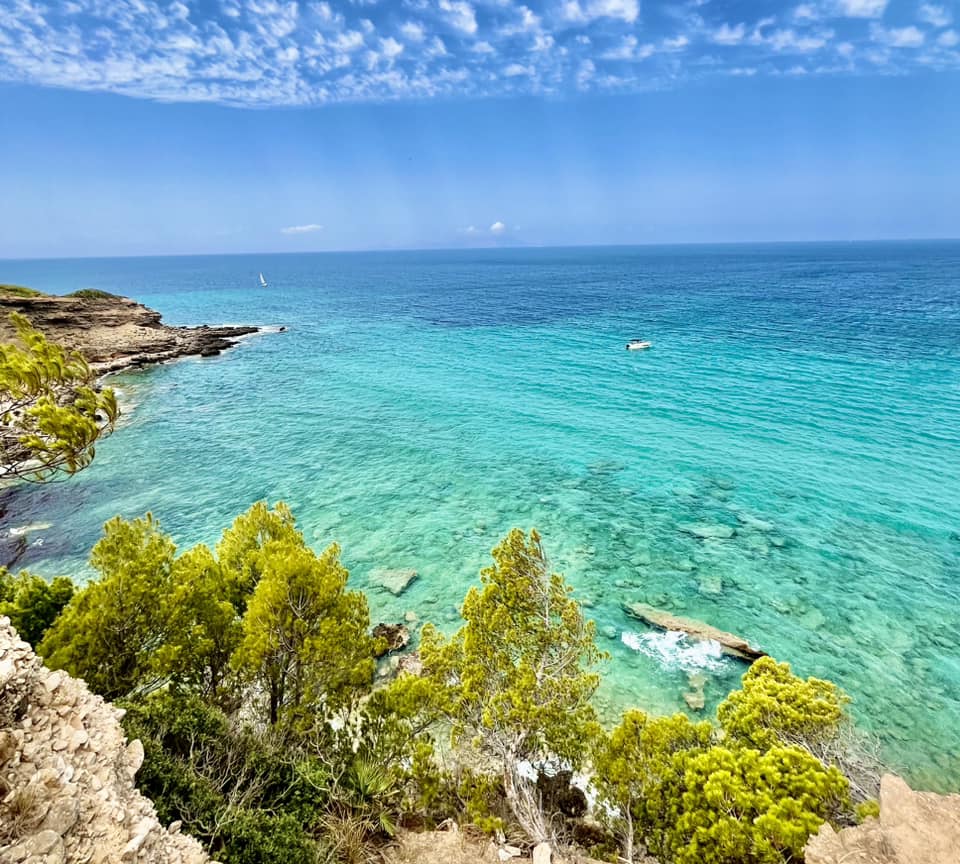
Mallorca, the largest of Spain’s Balearic Islands, offers a mix of stunning beaches, historic sites, charming villages, and delicious cuisine. If you’re planning your first visit, here are some tips to make the most of your trip
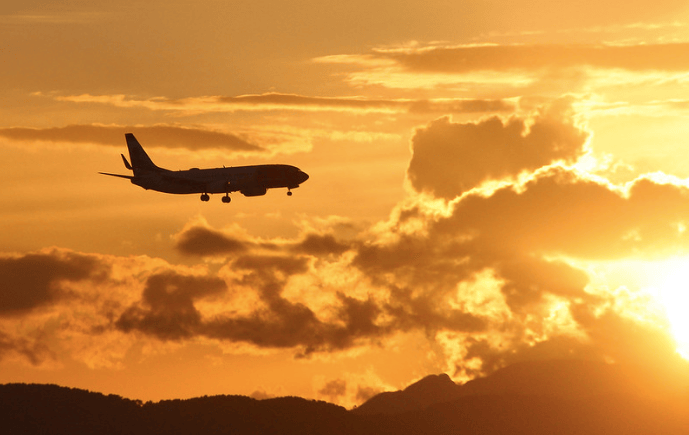
When to Visit
- Best Months: April to June or September to October for pleasant weather and fewer crowds. July and August are peak tourist months and can be very busy.
- Off-Season: Winter is quiet, and while some attractions may have limited hours, it’s a peaceful time to explore.

Getting Around
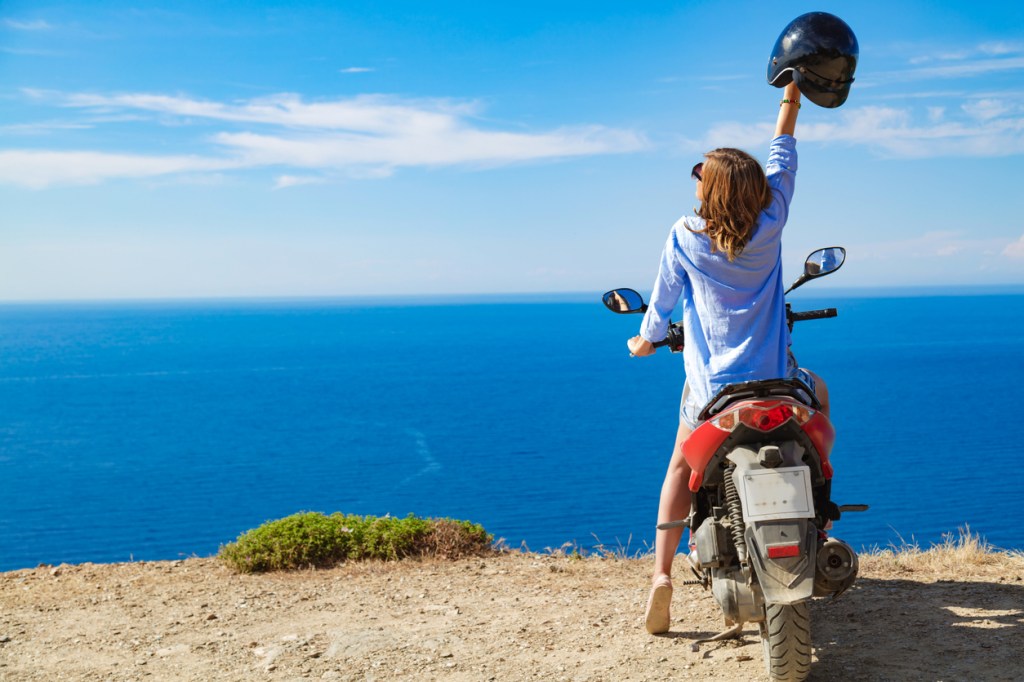
- Car Rental: The best way to explore the island. Roads are well-maintained, and having a car allows you to visit hidden coves and mountain villages.
- Public Transport: Buses and trains connect major towns, but service to rural areas can be limited.
- Cycling: A popular option, especially in spring. The island is bike-friendly, with scenic routes for all skill levels.
Top Attractions
- Palma de Mallorca: Visit the stunning La Seu Cathedral, the Royal Palace of Almudaina, and stroll along the picturesque Passeig des Born.
- Sierra de Tramuntana: A UNESCO World Heritage Site, perfect for hiking, driving, or cycling. Don’t miss the charming villages of Sóller, Valldemossa, and Deià.
- Beaches: Explore pristine beaches like Cala Varques, Playa de Muro, and Caló des Moro. Arrive early to secure a good spot during peak season.
- Cuevas del Drach: Impressive caves with an underground lake near Porto Cristo.
- Cap de Formentor: Dramatic cliffs and breathtaking views at the northern tip of the island.
Food & Drink
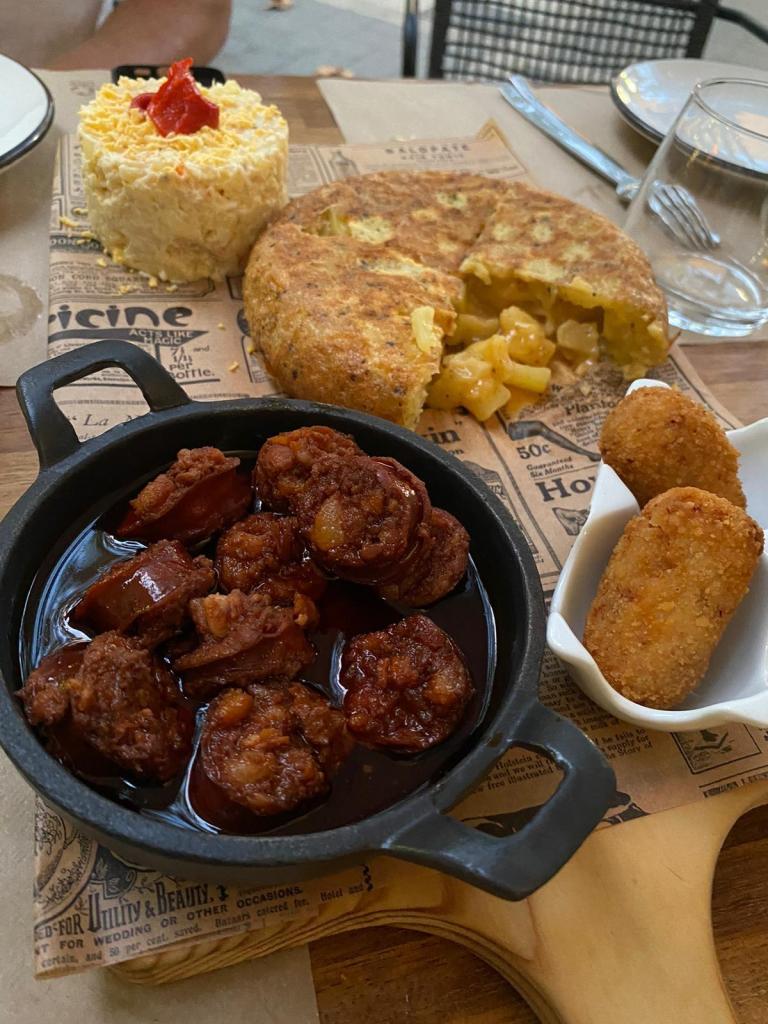
- Local Cuisine: Try pa amb oli (bread with olive oil and toppings), sobrasada (spicy sausage), and fresh seafood dishes.
- Desserts: Don’t miss ensaimada, a sweet spiral pastry often filled with cream or chocolate.
- Wine: Sample local wines from the Binissalem and Pla i Llevant regions.
- Tapas: Many restaurants offer affordable and varied tapas menus.
Practical Tips
- Language: Spanish is the main language, but Catalan (Mallorquí) is also widely spoken. English is common in tourist areas.
- Currency: The Euro (€). Credit cards are widely accepted, but keep some cash for smaller establishments.
- Clothing: Pack light, breathable clothing for summer. If visiting the mountains or caves, bring layers and comfortable shoes.
- Water: Tap water is safe to drink, but bottled water is widely available.
- Sun Protection: The Mediterranean sun can be intense. Bring sunscreen, sunglasses, and a hat.
Cultural Tips
- Siesta Time: Many shops and businesses close in the early afternoon (1 PM to 4 PM). Plan around this.
- Markets: Explore local markets like Mercat de l’Olivar in Palma or the weekly market in Inca for souvenirs and local products.
- Respect Nature: Stay on marked trails in natural parks, and avoid littering, especially on beaches.
Activities
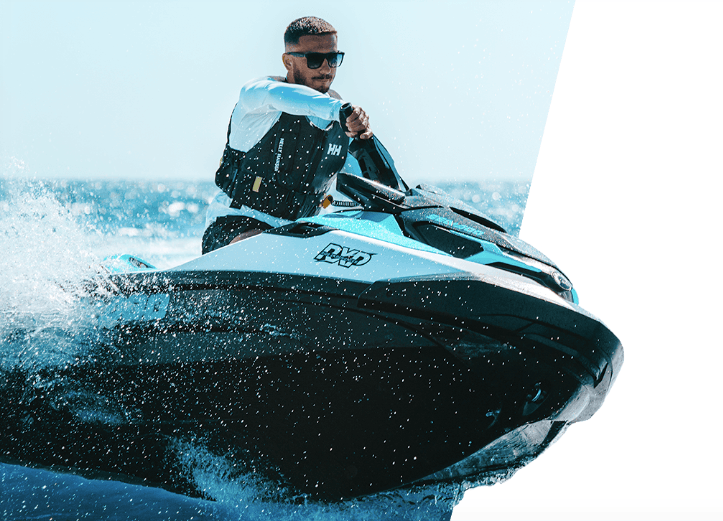
- Watersports: Kayaking, paddleboarding, snorkeling, and diving are popular.
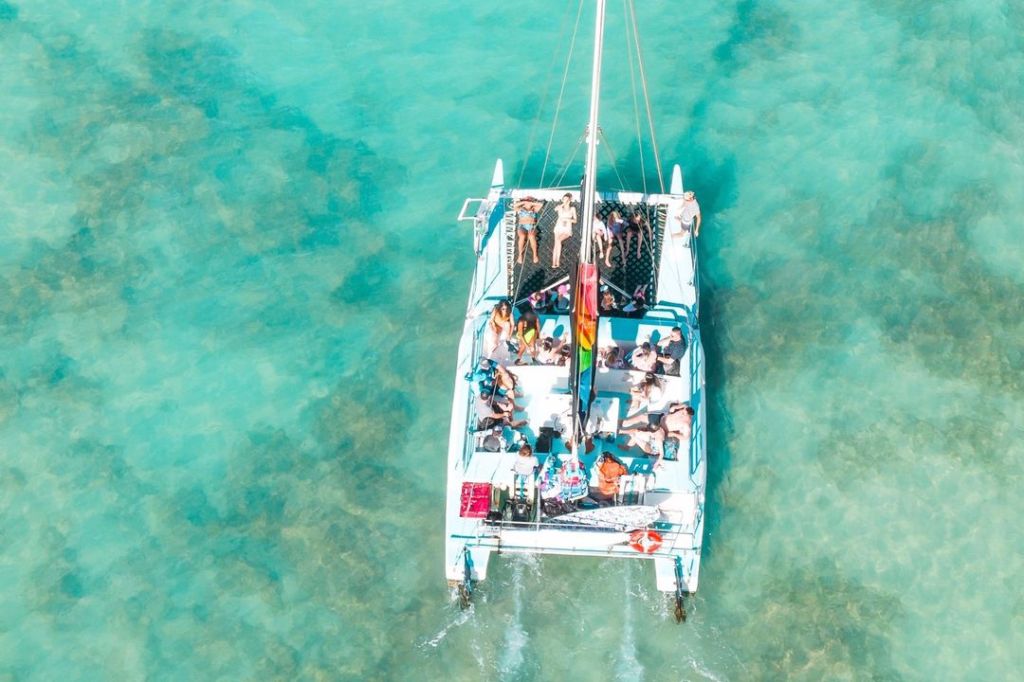
- Boat Trips: Explore the coastline with a catamaran or ferry tour.
- Hiking: Trails in the Tramuntana mountains cater to all levels, from casual walkers to experienced trekkers.
Health & Safety
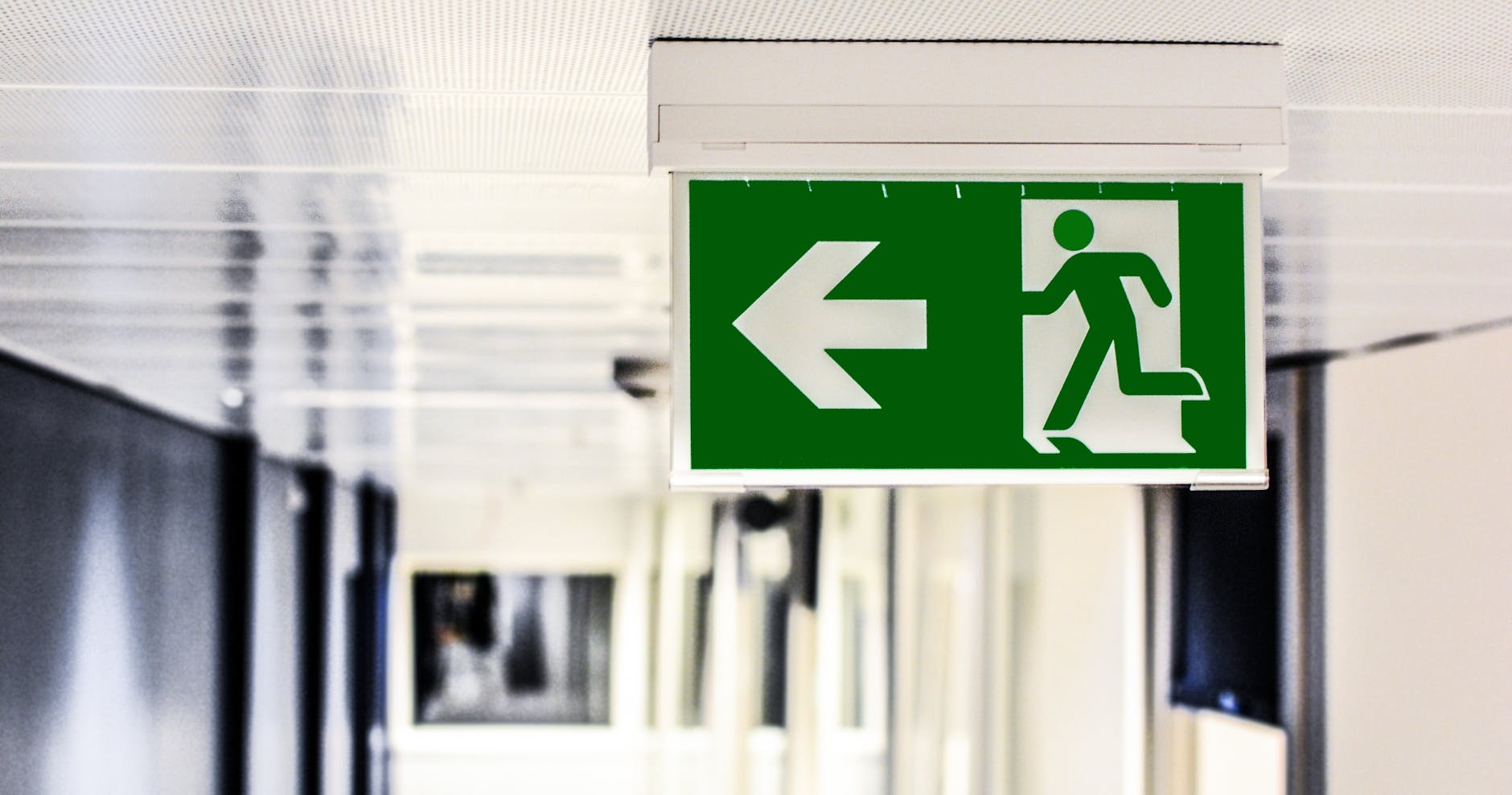
- Emergencies: Dial 112 for all emergencies.
- Pickpockets: Be cautious in crowded areas and keep valuables secure.
- Wildfires: Avoid open flames during dry seasons, especially in forested areas.
Enjoy your adventure in Mallorca! The island has something for everyone, whether you’re seeking relaxation, adventure, or cultural exploration.
Follow-us for more tips and advices
Rony & Floris
 Palma Tour Mallorca
Leave a comment